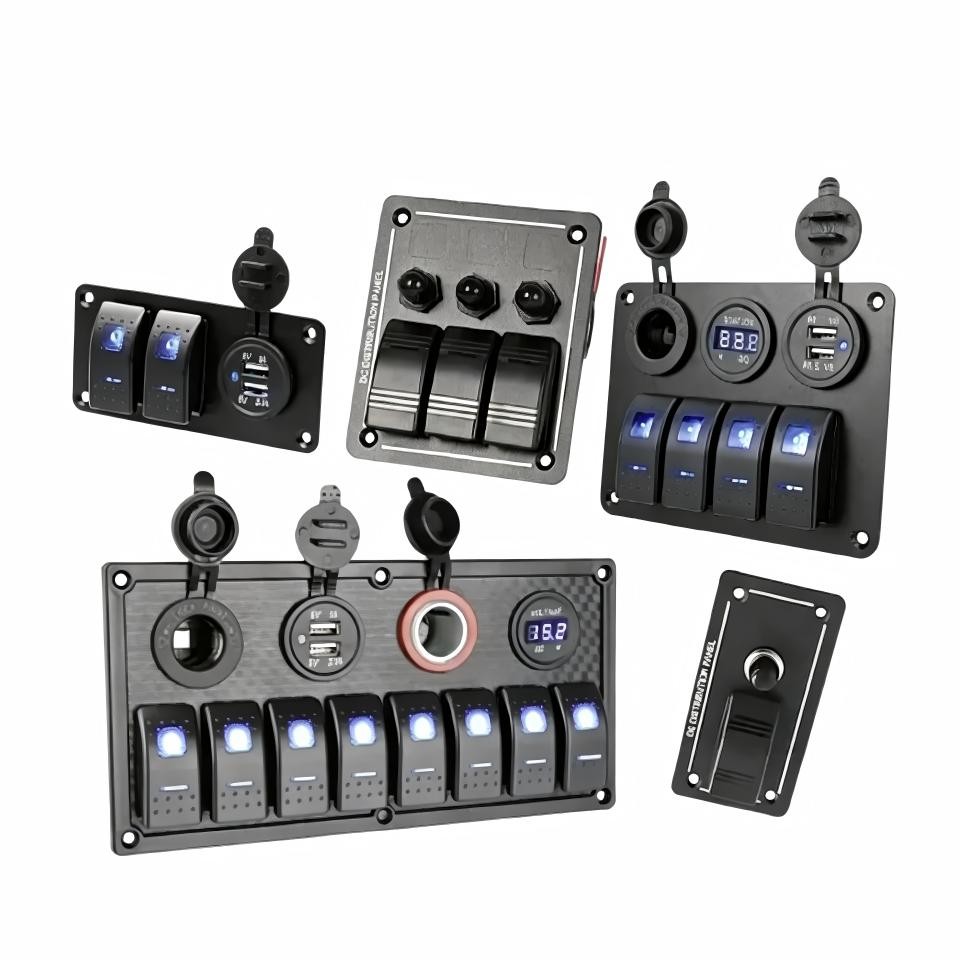
Product Overview:
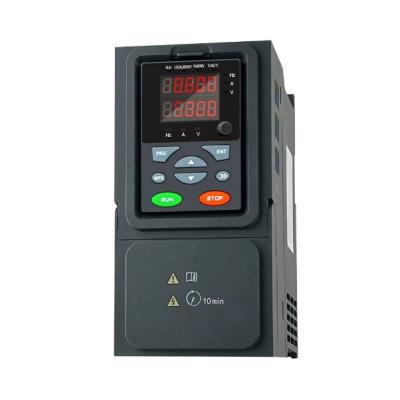
Our range of inverters and controllers provides complete power conversion and system management for off-grid, marine, RV, residential backup, and industrial applications. From pure sine wave inverters that convert battery DC power to clean AC power, to solar charge controllers that maximise photovoltaic harvest, to battery chargers that replenish banks from shore or generator, and integrated inverter-chargers that combine all functions – our products deliver reliable, efficient, and intelligent power management. Available in capacities from 300W to 15kW (single units) and scalable to hundreds of kilowatts via parallel or three-phase configurations.
Product Categories:
1. Pure Sine Wave Inverters (DC to AC)
Pure sine wave inverters convert battery DC voltage (12V, 24V, 48V, or higher) into clean AC power (120V/240V 60Hz or 230V 50Hz) that is identical or superior to utility grid power. Unlike modified sine wave (MSW) inverters, pure sine wave output operates all AC loads safely – including sensitive electronics, variable speed motors, medical devices, and induction cooktops.
Power Factor Consideration:
Inverter ratings are typically given in Watts (real power) or VA (apparent power). For resistive loads, Watts = VA. For inductive loads (motors, pumps, compressors), VA = Watts ÷ power factor (typical PF 0.7–0.9). An inverter rated 3000W continuous can typically handle 3000VA of resistive load, but may only handle 2400VA (2400W × 0.8PF) of inductive load.
2. Inverter-Chargers (Integrated DC-AC Inverter + AC-DC Battery Charger + Transfer Switch)
Inverter-chargers combine three functions in one unit:
Inverter: Converts battery DC to AC (as described above)
Battery charger: Converts incoming AC (from shore power, generator, or grid) to DC to charge batteries
Transfer switch: Automatically switches between inverter output and incoming AC (e.g., shore power) – seamless transition
How Inverter-Charger Works in Typical Marine or RV Installation:
When shore power (or generator) is connected and within acceptable limits: Transfer switch connects shore power directly to AC loads (pass-through). Internal battery charger simultaneously charges batteries from shore power.
When shore power is disconnected or fails: Transfer switch (typically within 10–30 milliseconds) connects inverter output to AC loads. Batteries supply DC to inverter, which produces AC.
When shore power returns (stable for programmed delay, e.g., 10 seconds): Transfer switch switches back to shore power and resumes charging.

Name:
Mobile:
Tel:+86 13928000320
Whatsapp:8613928000320
Email:jessicafuang@outlook.com
Add:admin