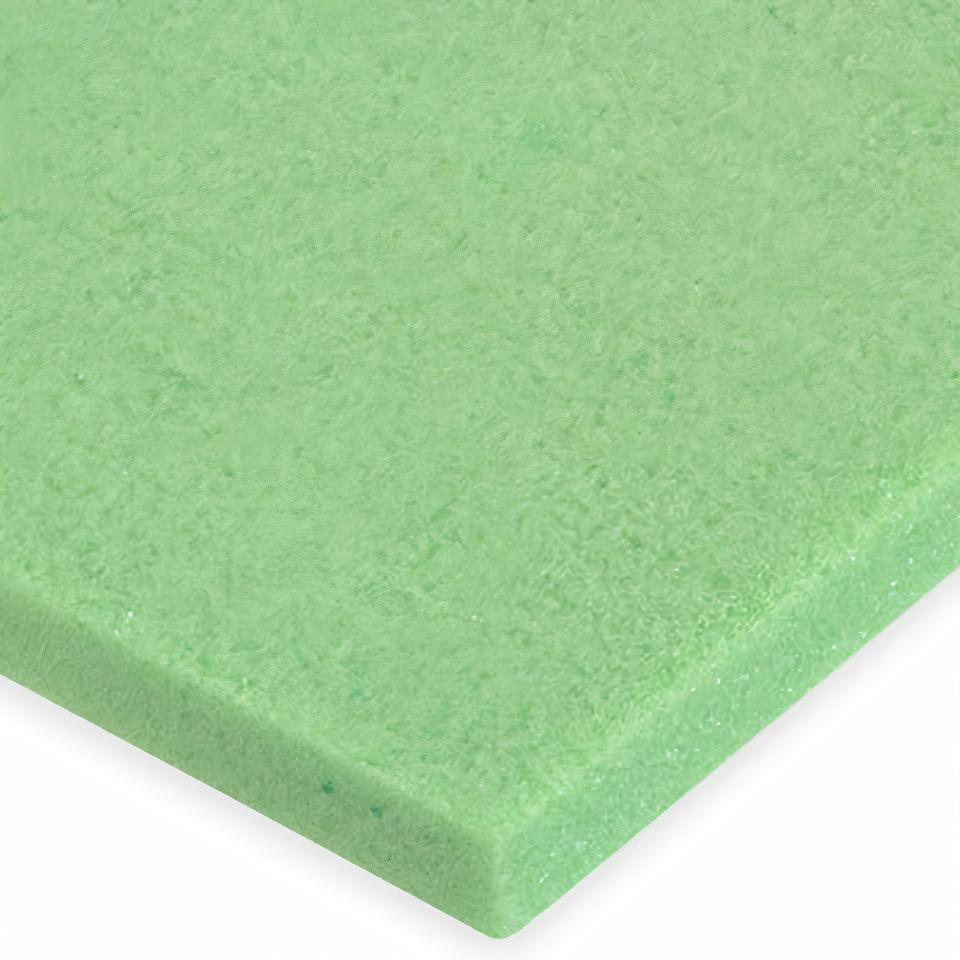
Lightweight, High-Stiffness Sandwich Core for Composite Structures
Product Overview:
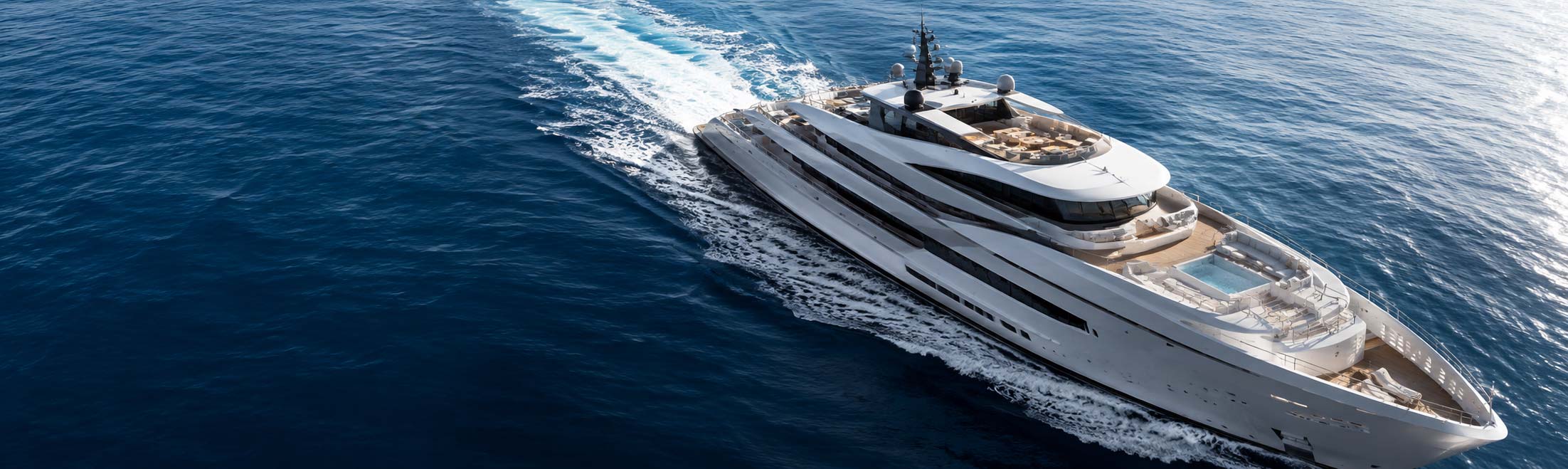
Our core material range includes rigid PVC structural foam and end-grain balsa wood, both engineered for sandwich composite construction. When bonded between fiberglass or carbon fiber skins, these cores significantly increase panel stiffness and impact resistance with minimal weight addition. Ideal for marine, wind energy, transportation, and infrastructure applications.
PVC Structural Foam – Cross-linked & Linear
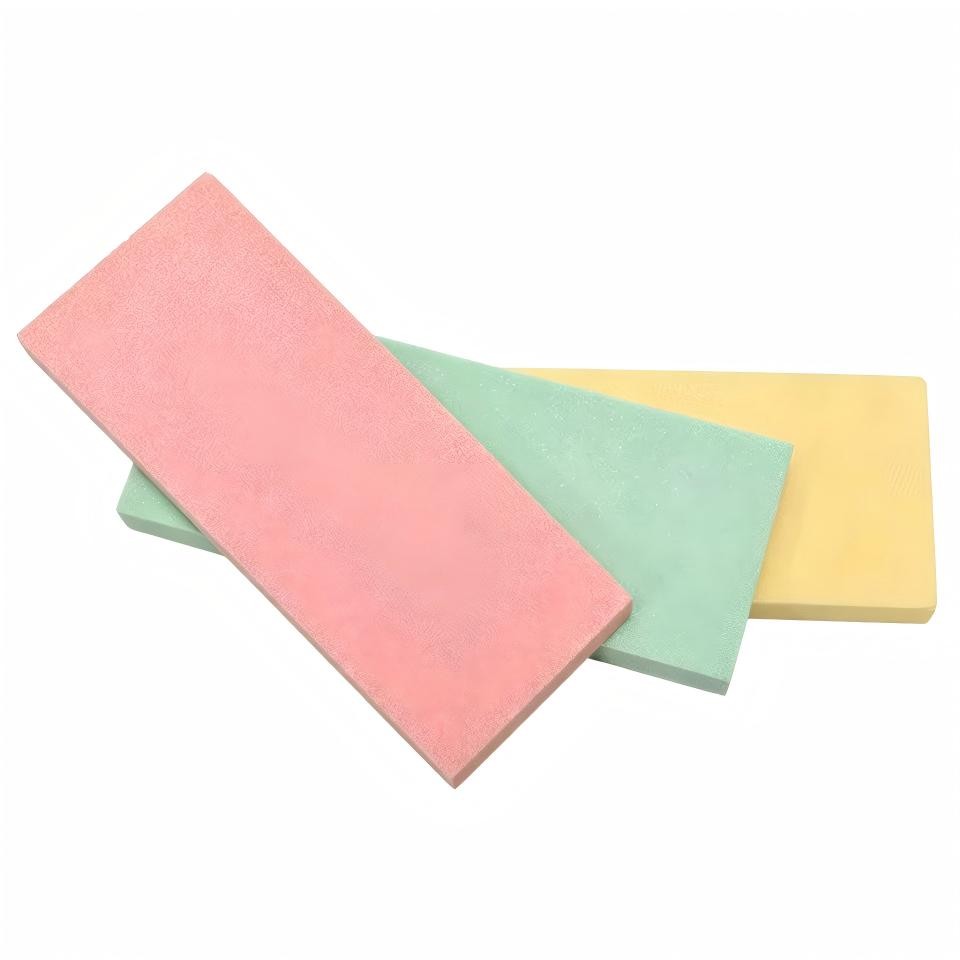
PVC foam is a closed-cell, rigid thermoset (cross-linked) or thermoplastic (linear) foam core. It offers excellent strength-to-weight ratio, moisture resistance, and process compatibility.
Key Features:
Uniform cell structure ensures consistent mechanical properties
High resistance to water ingress and styrene (polyester/vinylester compatible)
Good thermal and acoustic insulation
Available in cross-linked (higher strength, heat resistance) and linear (thermoformable, lower cost) grades
Typical Densities: 45 kg/m³, 60 kg/m³, 80 kg/m³, 100 kg/m³, 130 kg/m³
Common Applications: Boat hulls and decks, wind turbine blades, truck body panels, swimming pool walls, marine hatches
Sheet Sizes: 1220 x 2440 mm (4 x 8 ft) or custom
Thickness Range: 5 mm to 50 mm
End-Grain Balsa Wood – Natural & High-Performance
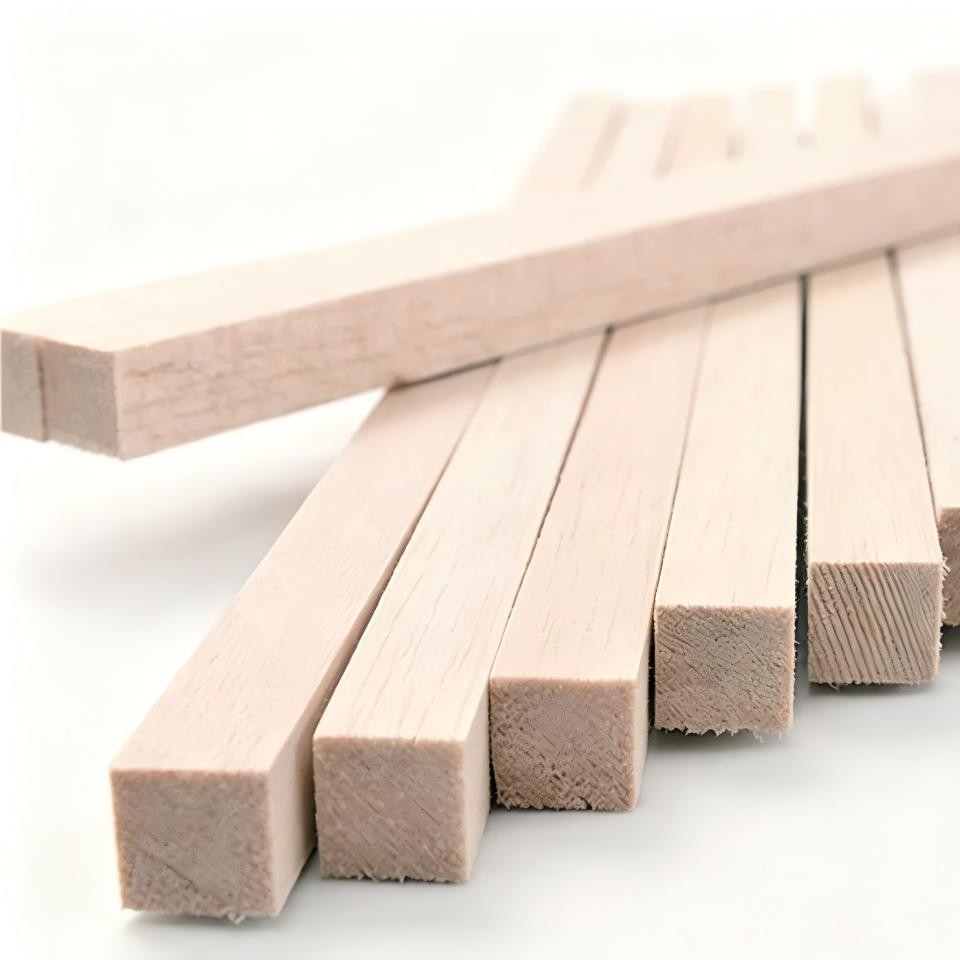
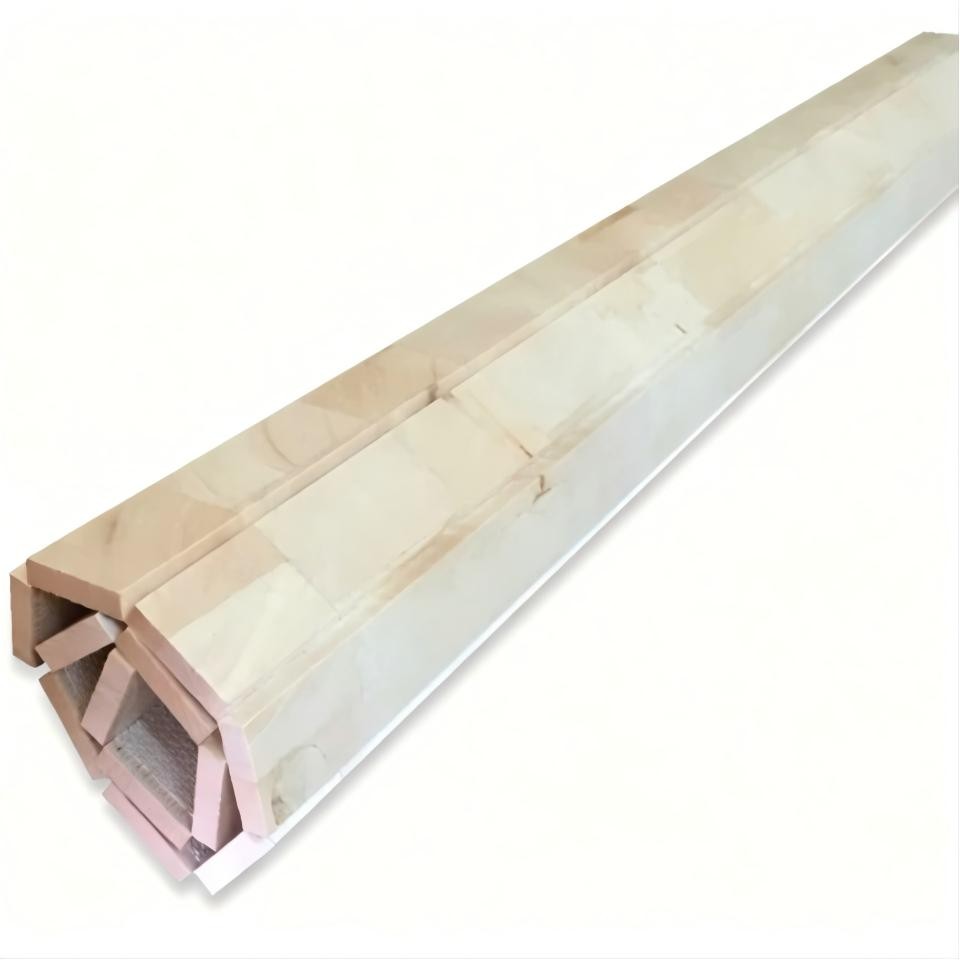
Balsa wood core is produced by cutting kiln-dried balsa logs perpendicular to the grain, creating a hexagonal cell structure oriented vertically. It delivers exceptional stiffness per unit weight and is fully renewable.
Key Features:
Highest compression strength and stiffness among all lightweight cores
Excellent bonding with epoxy, polyester, and vinylester resins
Natural and sustainable (rapidly renewable plantation wood)
Consistent density with minimal resin absorption (pre-coated scrim options available)
Typical Densities: 100 kg/m³, 150 kg/m³, 200 kg/m³
Common Applications: Wind turbine blades (shear webs and root sections), high-performance marine racing yachts, aircraft flooring, truck trailer floors, sandwich panels for building
Sheet Sizes: 1220 x 1220 mm, 1220 x 2440 mm
Thickness Range: 3 mm to 50 mm (often supplied as pre-scored sheets for curved laminates)
Selection Guide – Which Core to Choose?
Choose PVC Foam When:
Complete moisture resistance is critical (submerged or high-humidity environments)
Thermal insulation is a secondary benefit
Consistent, low variation across large production runs is required
Thermoforming or contour shaping is needed (linear grades)
Choose Balsa Wood When:
Maximum compression strength and stiffness are required at minimal weight
Natural / renewable material specification is preferred
Operating temperatures are elevated (balsa withstands higher post-cure temps)
Cost is a factor (balsa generally lower cost than high-density PVC)
Processing Guidelines for Both Core Types
Surface Preparation:
Both cores require clean, dust-free surfaces. Balsa should be lightly abraded to remove loose fibers. PVC foam may require light sanding for optimal adhesion.
Resin Compatibility:
PVC foam: Use polyester, vinylester, or epoxy (check for styrene resistance with specific grade)
Balsa wood: Use epoxy or vinylester (polyester acceptable but higher absorption)
Bonding:
Apply laminating resin or dedicated core-bonding adhesive (paste) between skins and core. For vacuum bagging or infusion, ensure core is either pre-drilled or grooved to allow resin flow.
Typical Sandwich Panel Construction
Skin (fiberglass or carbon) – Core (PVC or balsa) – Skin (fiberglass or carbon)
Benefits of sandwich construction:
Up to 60% weight reduction compared to solid laminate at equal stiffness
Reduced material cost (thinner skins)
Impact energy absorption (core prevents skin buckling)
Added thermal and acoustic insulation (especially PVC foam)
Quality & Certifications
PVC foam: Available with DNV-GL, ABS, or Lloyds marine approvals.
Balsa wood: Sourced from FSC-certified plantations. Available with factory-applied scrim (fiberglass or polyester veil) for improved resin control and surface bonding.
Storage Recommendations
Store flat in dry, covered area. PVC foam is stable indefinitely. Balsa wood should be kept dry to prevent dimensional movement. Use within 6 months of delivery for optimal bonding.

Name:
Mobile:
Tel:+86 13928000320
Whatsapp:8613928000320
Email:jessicafuang@outlook.com
Add:admin